






🐝 How to Tell If Your Beehive Is Healthy (Without Opening It Too Often)

Introduction
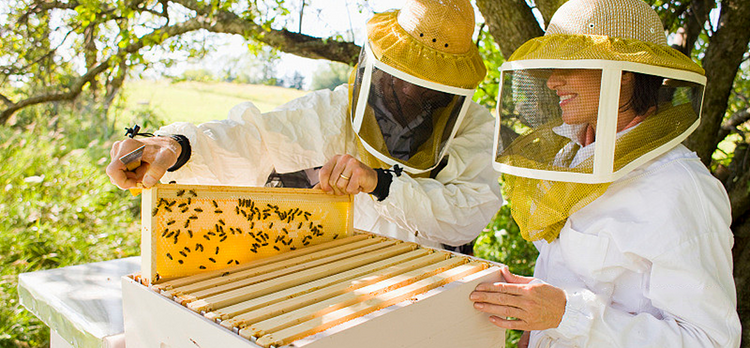
Many beekeepers, especially beginners, tend to open the hive too frequently. While inspections are important for checking brood pattern, queen status, and honey storage, excessive disturbance can actually disrupt the natural rhythm of the colony. Every time a hive is opened, bees must re-stabilize temperature, reorganize defensive behavior, and pause normal foraging activity.
Over time, this unnecessary disturbance can reduce productivity and increase stress inside the hive.
The good news is that bees constantly communicate their condition through external behavior. By learning to read these signals, you can understand hive health without opening it too often.
1. Entrance Activity: The First Health Indicator
The hive entrance is one of the most reliable “real-time dashboards” of colony health.
A strong and healthy colony usually shows consistent movement throughout the day, especially during warm hours.
What healthy activity looks like:
· Bees leaving and returning in steady intervals
· Multiple bees carrying pollen loads
· No crowding or bottleneck at the entrance
This kind of behavior indicates the colony is actively foraging and has enough internal organization to support external work.
Warning signs:
· Sudden reduction in flight activity
· Bees clustering without movement
· Random chaotic flying patterns
These may suggest nectar shortage, queen issues, or colony stress.
⚠️ Important Note: Bee activity can change depending on weather, temperature, and time of day. Always observe patterns over time instead of judging hive health from a single observation.
2. Pollen Load Color Tells You Everything
Pollen is one of the most overlooked indicators of hive health.
Each color of pollen represents a different floral source. When bees bring back a variety of pollen types, it indicates that the surrounding environment is rich and balanced.
Common observations:
· Yellow pollen → wildflowers or brassicas
· Orange pollen → fruit trees or warm-season blooms
· White/light pollen → specialized local plants
Why it matters:
A diverse pollen intake directly affects:
· Brood development quality
· Queen laying consistency
· Overall immune strength of the colony
A hive collecting only one type of pollen for long periods may be experiencing limited forage diversity.
🐝 Bee Fact: Pollen provides essential protein for bees and plays an important role in brood development and colony strength.
3. Defensive Behavior at the Entrance
Every healthy hive has guard bees stationed at the entrance.
Their role is not just defense—it is colony regulation.
Normal behavior includes:
· Brief inspection of incoming bees
· Allowing known colony members to pass
· Calm but alert positioning
Signs of imbalance:
· Excessive aggression toward returning bees
· Fighting or clustering at entrance
· Constant alarm-like buzzing
Too much defensive behavior can indicate stress factors such as overcrowding, nectar shortage, or environmental pressure.
4. Hive Sound: A Hidden Indicator
Experienced beekeepers often rely on sound before even touching a hive.
A healthy hive produces a stable acoustic environment.
Healthy sound profile:
· Low, consistent humming
· Even vibration tone
· No sudden spikes or erratic buzzing
This sound reflects coordinated internal activity.
When sound changes:
· Loud irregular buzzing → possible disturbance or overheating
· Sudden silence → reduced activity or colony issue
· Sharp bursts → defensive response or swarming preparation
Sound is one of the earliest warning systems inside a hive.
⚠️ Important Note: Hive sounds should be considered together with other signs, such as entrance activity and weather conditions, rather than used as the only indicator of hive health.
5. Bee Flight Patterns Around the Hive
Flight behavior is another strong external indicator of hive condition.
Healthy colony flight pattern:
· Predictable in-and-out movement
· Clear flight paths away from hive
· Steady return rate of foragers
Unhealthy signals:
· Random scattered flight directions
· Hesitation at entrance
· Reduced return activity
Flight patterns reflect how efficiently the colony is operating as a system.
💡 Beekeeper Tip: Observe bee flight patterns from a distance first. Bees often show more natural behavior when they are not disturbed.
Final Thoughts
A hive is constantly communicating—even when you don’t open it.
Instead of relying only on internal inspections, experienced beekeepers learn to combine both:
· External observation (movement, sound, behavior)
· Occasional internal inspection (brood, queen, honey frames)
The more you understand these external signals, the more efficient and less disruptive your beekeeping becomes.
A healthy hive is not silent—it is organized, active, and predictable.