





Do Beehives Need Full Sun? The Ultimate Hive Placement Guide for Beekeepers.

If you are new to the world of backyard beekeeping, setting up your first bee colony comes with a lot of questions. One of the most common dilemmas beginners face is choosing the perfect beehive placement: Do beehives need full sun all day long?
Some believe that honey bees, being sun-loving insects, need maximum sunlight to boost honey production and stimulate spring buildup. Others worry that the intense summer heat might melt the wax comb or cause the colony to abscond.
In this beekeeping guide, we will break down the science of hive temperature control and share the golden rules of hive management to keep your bees buzzing and productive.
The Short Answer: Do Beehives Need Full Sun?
To put it simply: No, beehives should not be placed in full, unobstructed sun all day long.
While honey bees rely heavily on sunlight to navigate and forage, the hive itself acts as an incubator. The honey bee colony must maintain a strict internal nest temperature (around $95^\circ\text{F}$ or $35^\circ\text{C}$) to rear brood. Forcing a hive to sit in baking, all-day sunlight—especially during peak summer—creates severe problems:
-
Heat Stress and Absconding: When the beehive temperature spikes, worker bees stop foraging and spend all their energy fanning the hive and hauling water to cool it down. If it gets too hot, the colony may completely abandon the hive (abscond).
-
Melted Wax Comb: Beeswax has a relatively low melting point. Continuous intense sun exposure can soften or melt the honeycomb, causing honey to leak and crushing the developing bee brood.
-
Shortened Bee Lifespan: Forcing worker bees to fan the hive around the clock wears them out physically, shortening their lifespan and shrinking your workforce.
The Golden Rule of Hive Placement: Morning Sun, Afternoon Shade
If full sun is dangerous and full shade can breed pests like small hive beetles or moisture issues, what is the sweet spot?
The golden rule for scientific beekeeping is: Face the hive south/southeast to catch the morning sun, but provide shade during the scorching afternoon.
Why Morning Sun Matters
Morning sunlight acts as nature’s alarm clock for the hive. As the first rays hit the hive entrance, it warms up the interior, encouraging forager bees to wake up and start collecting nectar and pollen early. During the crucial spring buildup phase, morning warmth is essential for the queen bee to ramp up egg-laying.
Why Afternoon Shade is Crucial
The period between 12:00 PM and 4:00 PM brings the most intense heat and UV rays. Providing shade during these hours drastically reduces the colony's workload, allowing them to focus on making raw honey rather than just surviving the heat.
Seasonal Hive Management: Sun vs. Shade
A successful beekeeper adjusts their beekeeping equipment and strategy based on the changing seasons:
| Season | Sun/Shade Strategy | Primary Goal |
| Spring (Buildup) | Maximize morning sun, protect from cold winds | Warms the hive to boost brood rearing and colony growth. |
| Summer (Honey Flow) | Strict afternoon shade (using trees or shade cloth) | Prevents heat stress, melted combs, and hive absconding. |
| Autumn (Preparation) | Moderate sun, morning exposure | Keeps bees active enough to raise healthy winter bees. |
| Winter (Overwintering) | Full winter sun, block chilly winds | Uses solar energy to keep the cluster warm and reduce winter honey consumption. |
Top 3 Tips for Choosing the Best Beehive Location
If you are setting up an apiary in your backyard, keep these layout tips in mind:
-
Utilize Deciduous Trees: The absolute best spot for a beehive is under a deciduous tree (like an oak or maple). In the summer, the thick leaves provide perfect afternoon shade. In the winter, the leaves drop, allowing the warm winter sun to heat the hive.
-
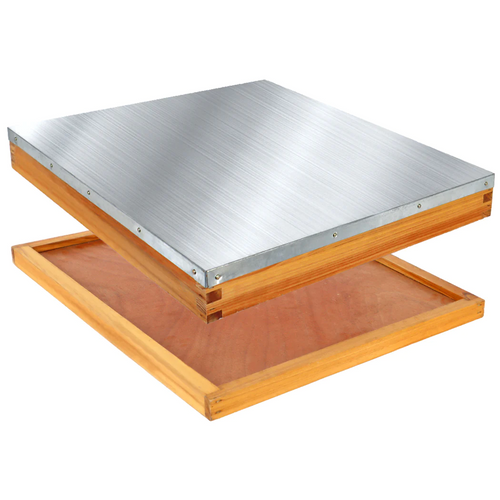
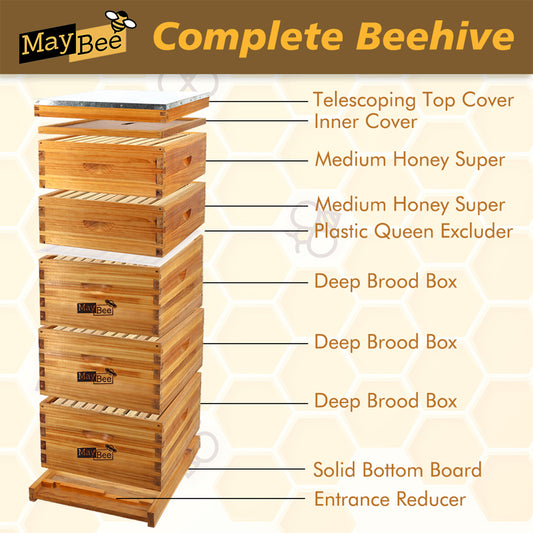
Use Artificial Shade: If your yard lacks trees, create shade manually. You can install a shade cloth, or simply place a large piece of plywood weight-downed with a brick on top of the telescoping cover to act as an awning.
-
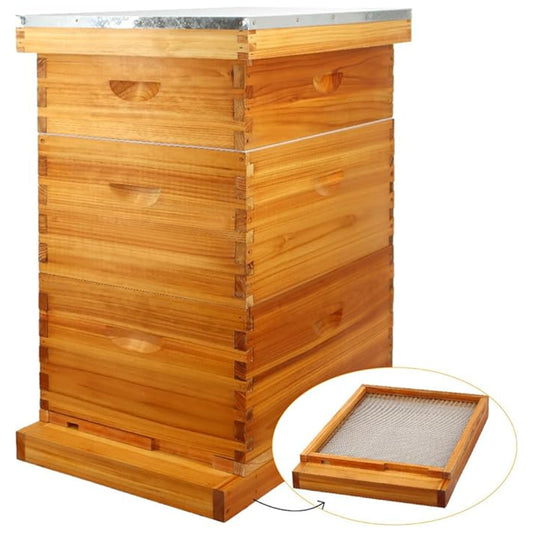
Elevate and Level: Always place your hive on a sturdy hive stand off the ground to prevent moisture and predators. Ensure the hive is level from side to side, but tilted slightly forward so rainwater drains out of the entrance.
Final Thoughts
Managing a successful hive isn't about giving them 24/7 sunlight; it's about balance. By aiming for "morning sun, afternoon shade," you create the ideal microclimate for your honey bees. They will reward your smart management with a calmer disposition, a lower risk of swarming, and a much higher honey harvest!