









Maintaining Proper Hive Ventilation: The Key to Preventing Swarming Heat

In beekeeping management, hive ventilation is an easily overlooked yet crucial detail. Proper airflow not only helps maintain the health of the colony but is also essential in preventing swarming heat caused by excessive internal hive temperatures.
What is Swarming Heat?
Swarming heat refers to the behavior in which a bee colony, during peak reproduction periods, begins preparing for natural swarming due to high internal temperatures, overcrowding, or an overly strong colony. This typically occurs from late spring to early summer. While it is a natural mechanism for bee reproduction, unplanned swarming can reduce honey production efficiency, weaken the original colony, and negatively impact overall yield for beekeepers.
Why is Hive Ventilation Important?
Effective Heat Dissipation and Temperature Stability
A dense colony generates significant heat. Without adequate ventilation, this heat accumulates, raising internal temperatures and triggering swarming behavior. Proper airflow helps the colony regulate temperature and reduces unnecessary swarming tendencies.
Humidity Control and Mold Prevention
Bee respiration and honey production increase humidity inside the hive. Excess moisture can spoil honeycombs, promote mold growth, and threaten colony health. Ventilation helps expel moisture, keeping the hive dry and clean.
Air Circulation to Reduce Disease Risk
Closed environments can accumulate carbon dioxide and foster pathogens or parasites. Good ventilation promotes air exchange, lowering the risk of disease and creating a safer living environment for the bees.
Promoting Activity and Improving Productivity
Adequate airflow allows bees to move freely within the hive, facilitating brood care, cleaning, and honey storage. This helps improve overall colony activity and productivity.
How to Ensure Effective Ventilation
-
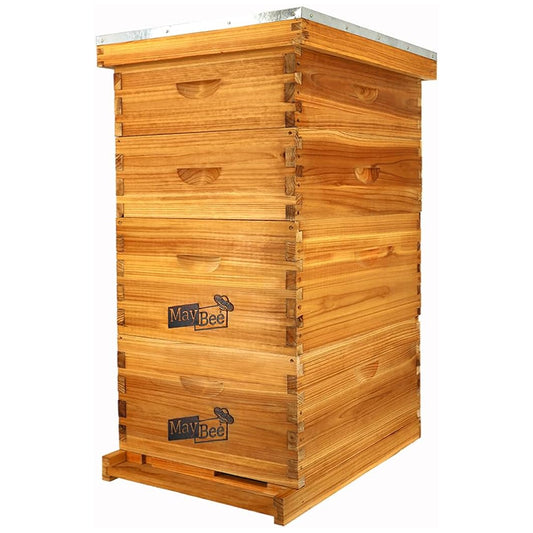
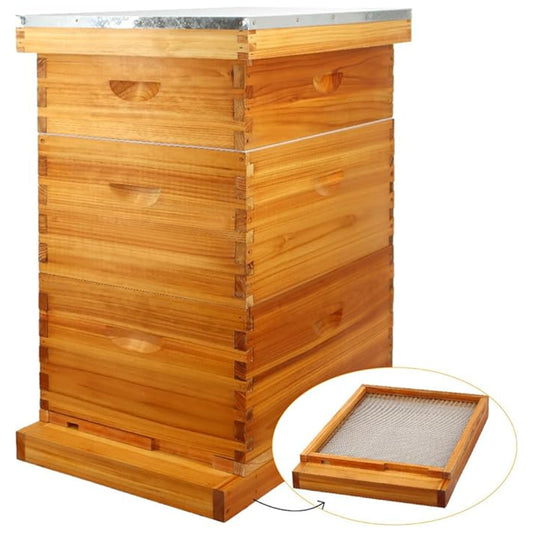
Install Ventilation Structures: Add screened or protected vents at the top or bottom of the hive to allow airflow while keeping out rain and pests.
-
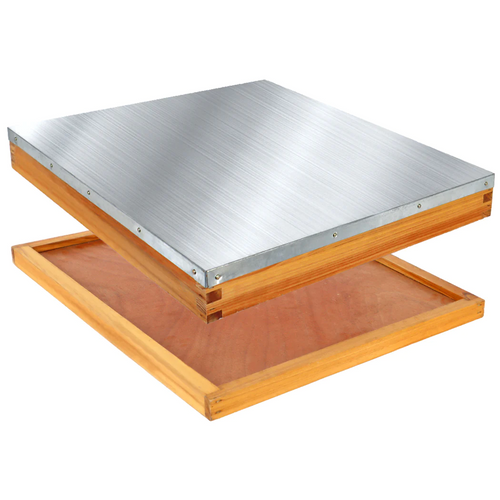
Use Breathable Hive Covers: Choose covers with mesh or vent windows to combine weather protection with ventilation.
-
Proper Hive Placement: Avoid placing hives directly against walls or too close together to ensure unobstructed air circulation.
-
Seasonal Adjustments: In summer, increase vent size or add auxiliary ventilation; in winter, reduce ventilation to prevent excessive heat loss.
-
Regular Maintenance: Clear wax, debris, and dead bees from vent areas to prevent airflow obstruction.
Observation Tips
If bees are clustering and fanning at the hive entrance, frequently forming tight groups, or attempting to climb out, these are signs of overheating inside the hive. Strengthening ventilation in such cases is crucial. Regularly checking that vents remain clear should be part of standard hive management.
Conclusion
Proper ventilation is the foundation of healthy colony management and efficient beekeeping. It not only helps prevent swarming heat but also improves living conditions for the bees, stabilizes colony strength, and enhances honey yield and quality. For beekeepers, paying attention to and optimizing hive ventilation is a critical step in protecting the well-being of the colony and ensuring sustainable beekeeping.