






Seasonal Bees: How Honey Bees Change with the Seasons

Honey bees are remarkable insects that adapt their behavior and physiology throughout the year. Just like plants and other animals, bees respond to seasonal changes in temperature, daylight, and food availability. Understanding how bees behave in different seasons helps beekeepers manage their colonies more effectively and maintain strong, healthy hives.
In this guide, we’ll explore how honey bees change from spring through winter and what it means for beekeepers.
Spring Bees: The Builders
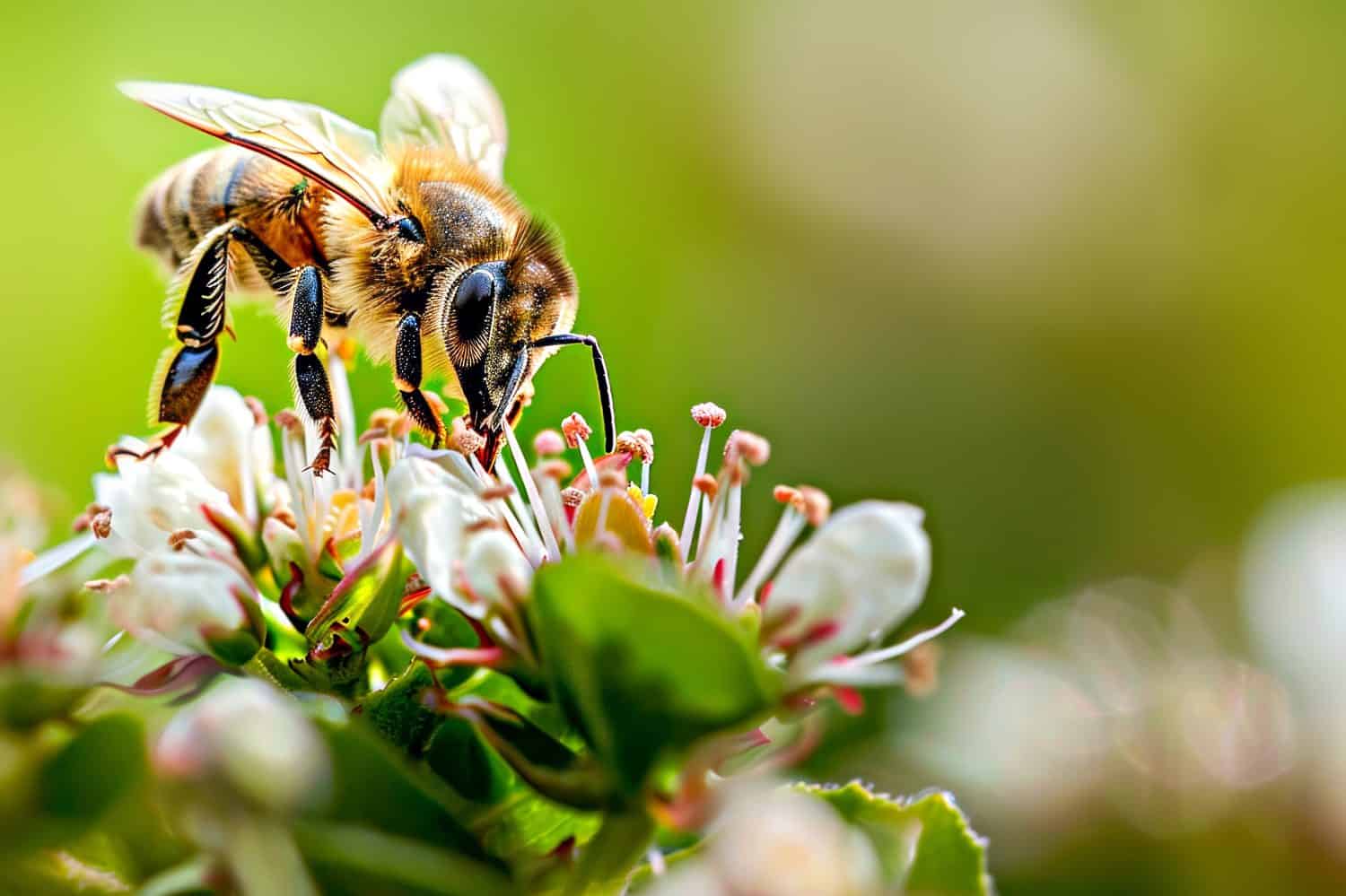
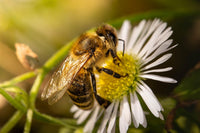
Spring is the most exciting time in the beekeeping calendar. As temperatures rise and flowers begin to bloom, colonies rapidly expand.
- The queen increases egg-laying dramatically
- Worker bees collect large amounts of nectar and pollen
- Colonies begin producing new brood
- Hive populations grow quickly
Spring bees are often called “builder bees” because they focus on growing the colony and building new comb.
For beekeepers, spring is the time to:
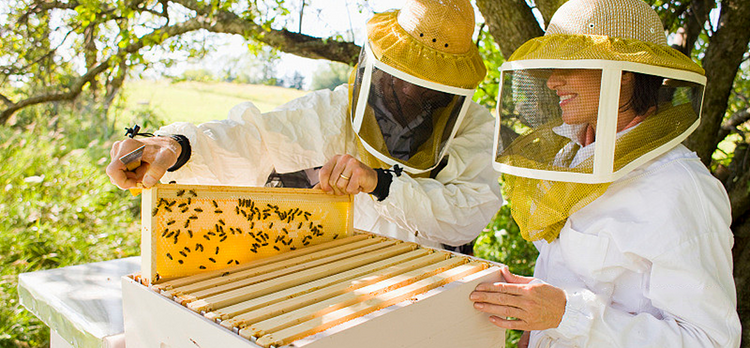
- Inspect hives regularly
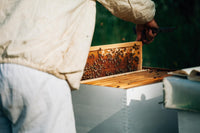
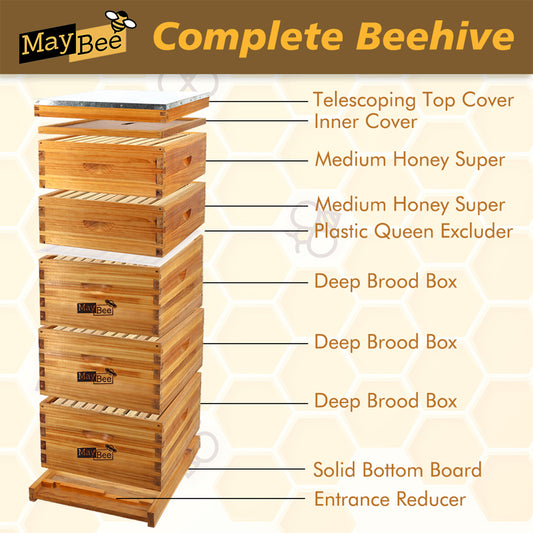
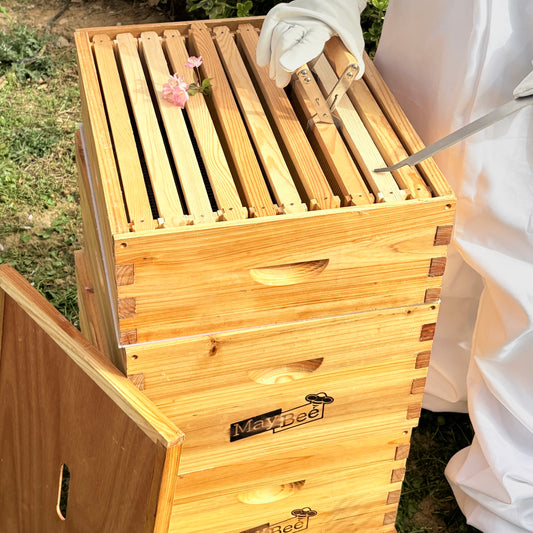
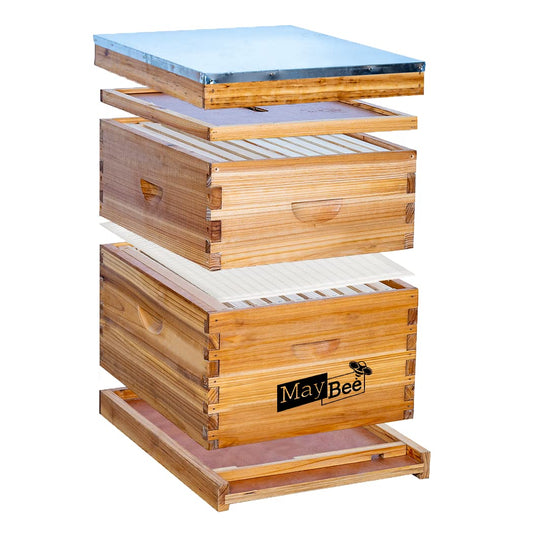
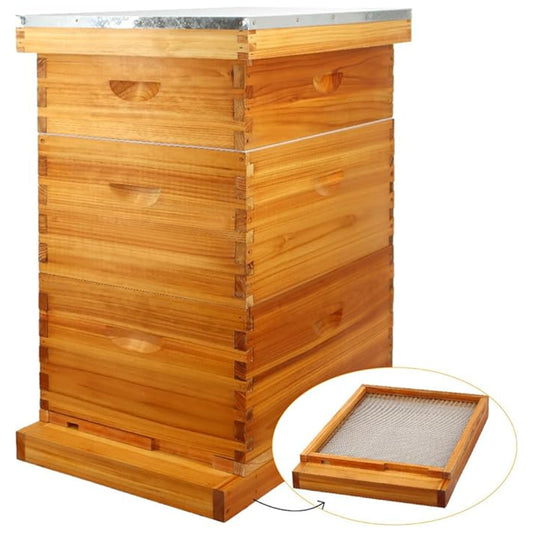
- Add additional hive boxes or supers
- Monitor for swarming
- Ensure the colony has enough space to expand
Summer Bees: The Honey Producers
Summer is peak productivity for honey bees. Colonies reach their largest population, and foraging activity is at its highest.
- Bees focus on nectar collection
- Honey supers fill quickly
- Worker bees may make thousands of trips daily
- Colonies regulate hive temperature by fanning their wings
Summer bees are often called “forager bees”.
Summer hive management includes adding supers, ensuring ventilation, monitoring water sources, and harvesting capped honey.
Autumn Bees: Preparing for Survival
As temperatures drop and flowers become scarce, colonies shift focus from growth to survival.
- The queen reduces egg-laying
- Bees store honey for winter
- Colonies produce winter bees
- Hive populations decrease
Beekeepers should ensure adequate honey stores, reduce excess hive space, monitor mites, and prepare winter protection.
Winter Bees: The Survivors
Winter bees are physiologically different and can live for several months.
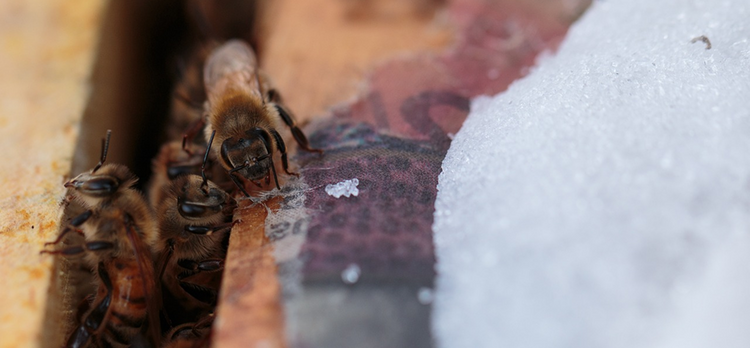
- Bees form a tight cluster inside the hive
- They generate heat by vibrating wing muscles
- The colony survives on stored honey
- Outside activity is minimal
Winter hive care includes protecting colonies from wind and moisture and minimizing disturbances.
Why Seasonal Bee Knowledge Matters
- Maintain stronger colonies
- Improve honey production
- Reduce colony stress
- Increase winter survival rates
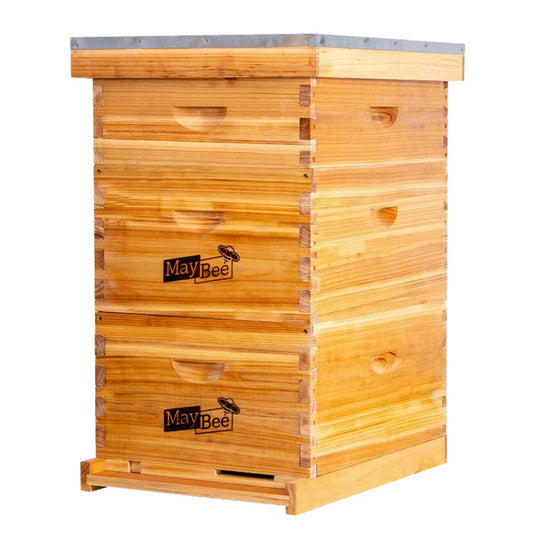
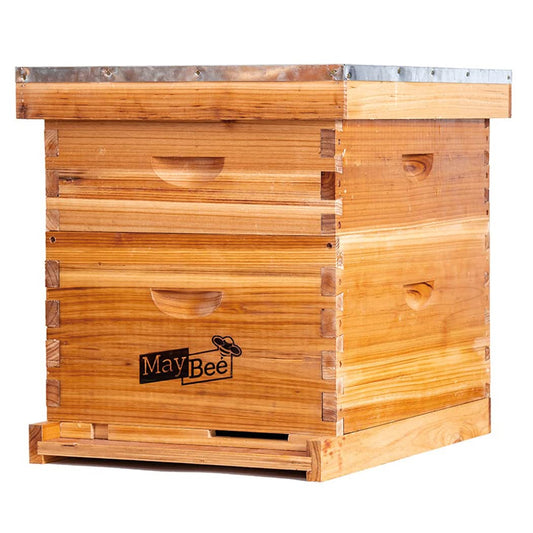
High-quality hive equipment with proper ventilation and durable construction helps colonies stay healthy through every season.
Final Thought: Bees constantly adapt to their environment. Understanding seasonal patterns is one of the keys to successful beekeeping.