






What Happens Inside a Beehive? A Look at Life Inside the Colony

A beehive may look like a quiet wooden box sitting in a backyard, but behind its walls is a busy and organized world. Thousands of honey bees work together to raise young, store food, maintain their home, and keep the colony healthy. So, what really happens inside a beehive? Let’s take a closer look.
Inside the Hive: Where Bees Live and Work
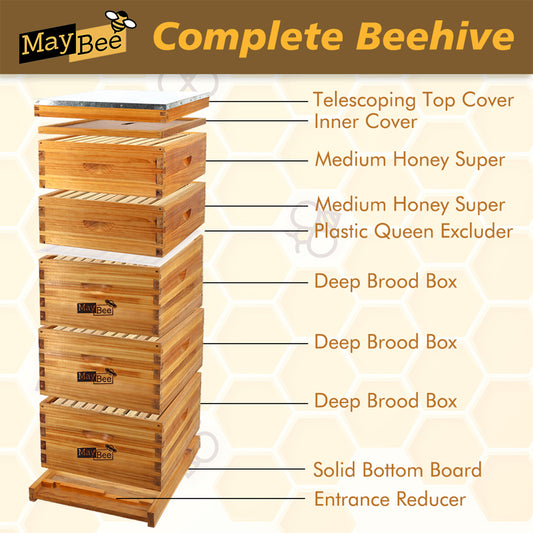
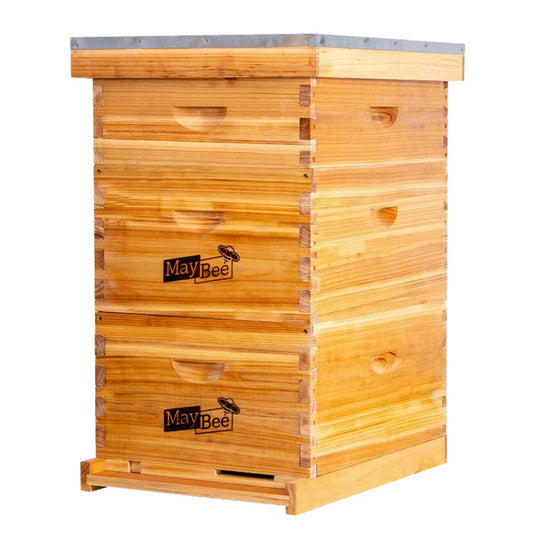
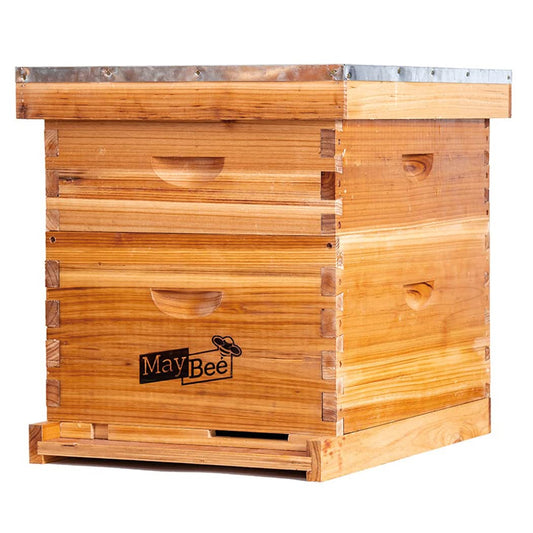
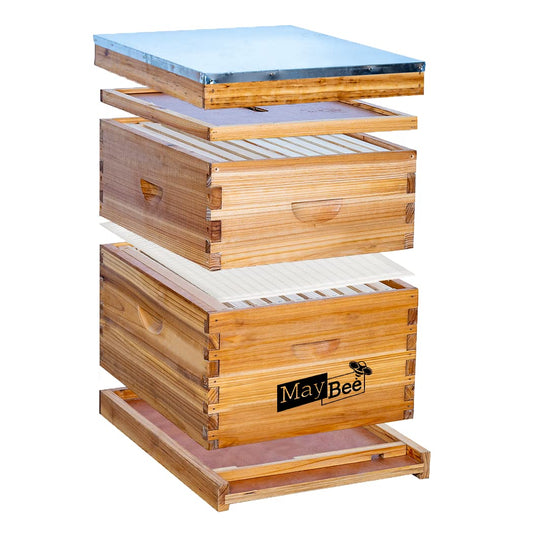
Using a Langstroth hive as an example, the inside of a beehive contains several components that give the colony space to live and work.
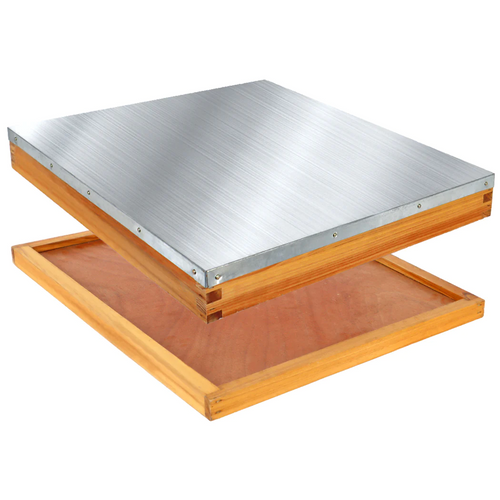
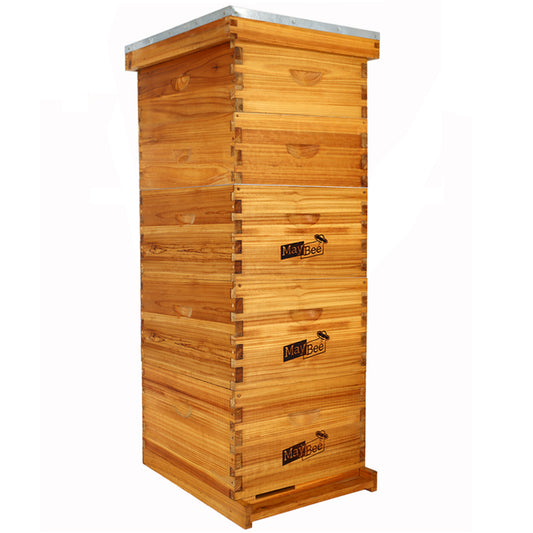
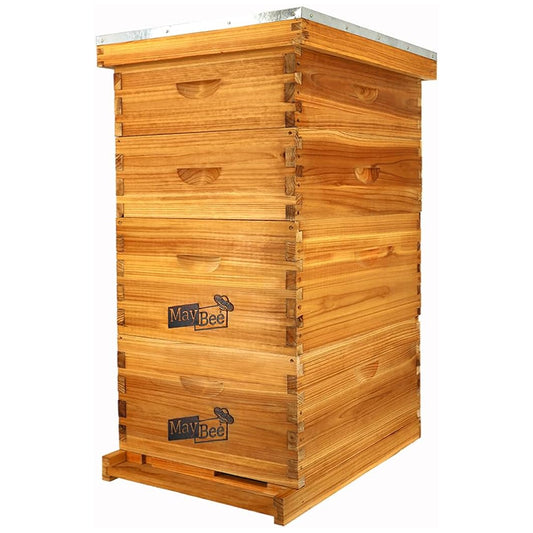
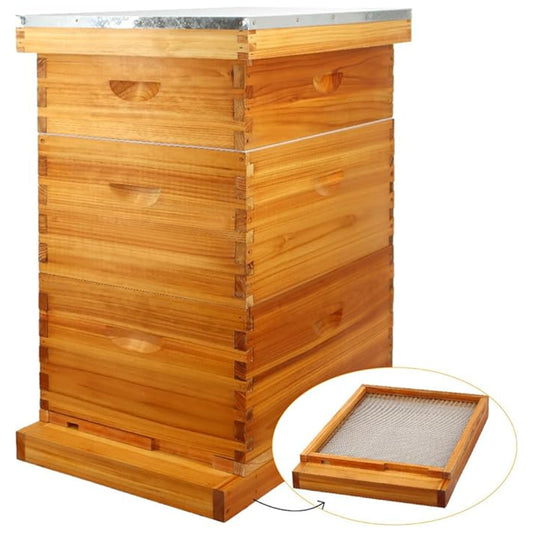
A Langstroth hive is made up of multiple boxes, each serving a different purpose. The brood boxes, located toward the bottom, are where the queen lays eggs and young bees develop. Above the brood area, honey supers provide space for bees to store honey.
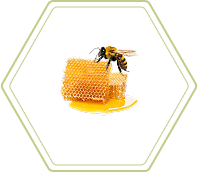
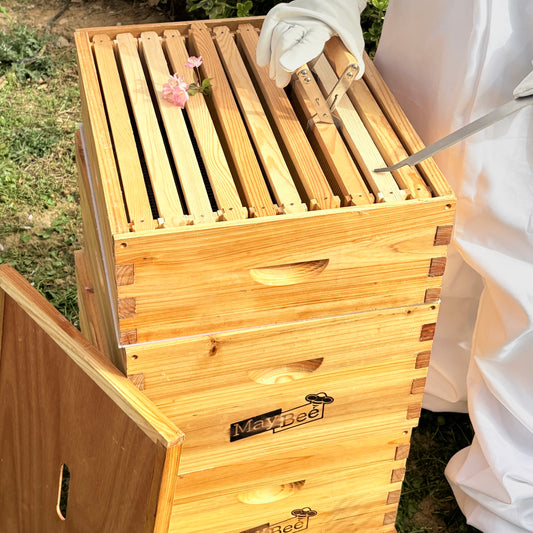
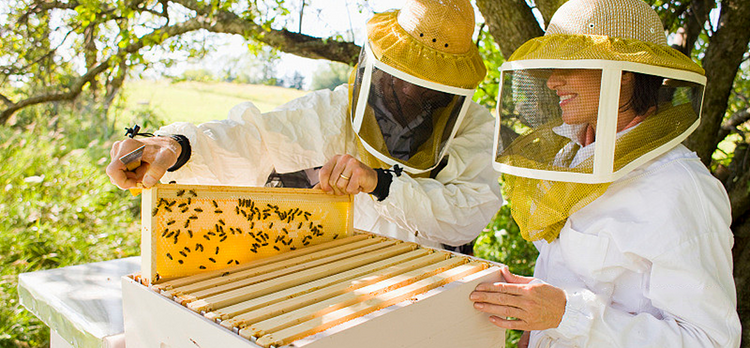
Inside these boxes, frames support the honeycomb, while foundation gives bees a starting point for building straight, organized comb. The comb is made up of individual hexagonal cells used to raise brood and store honey and pollen.
Together, the boxes, frames, foundation, and honeycomb create an organized living space for the colony.
Honey Bee Roles: Understanding the Social Order of the Colony
A honey bee colony works through a clear division of responsibilities.
●The queen bee is primarily responsible for reproduction and laying eggs. Her ability to produce new generations is essential to the colony.
●Worker bees make up most of the colony and take on many different jobs. They clean cells, care for developing brood, build honeycomb, collect nectar and pollen, and guard the hive. Their responsibilities can change as the needs of the colony change.
●Drones have a more specialized role. Their primary purpose is reproduction, particularly mating with queens.
Although these bees have different responsibilities, they depend on one another. Their combined efforts allow the colony to function as one organized community.
Colony Maintenance and Daily Survival: How Bees Protect Their Home
Keeping a colony healthy requires constant work. Honey bees maintain conditions inside the hive and respond to changes in their environment.
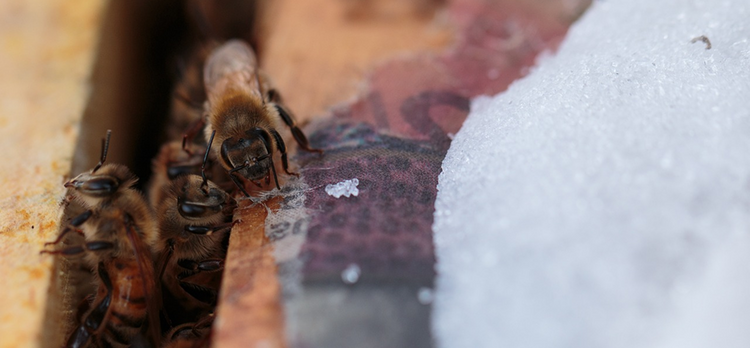
● Temperature Regulation: Temperature is especially important for developing brood. When temperatures drop, bees cluster together to conserve heat. When it becomes too warm, they fan their wings to help regulate the temperature inside the hive.
● Honeycomb Maintenance: Bees also maintain their honeycomb by cleaning and repairing cells.
● Resource Management: At the same time, they collect and store honey and pollen to provide the colony with energy and nutrition.
Beekeepers can support these natural processes through proper hive management, regular inspections, and appropriate equipment. The goal is to support the bees’ work and help keep the colony healthy and stable.
Creating the Ideal Home for Your Beehive
Understanding how bees live inside the hive is an important part of learning beekeeping and choosing the right home for a colony. When selecting a beehive, consider its structure, material, durability, weather resistance, and ease of management.
The Langstroth hive is widely used in modern beekeeping because of its practical, modular design. Its boxes and frames can be adjusted as the colony grows, making it easier to inspect the hive, manage frames, and add space.
Material also matters. Solid wood provides a sturdy, natural structure,while good craftsmanship contributes to the hive’s overall durability. Together, these factors help create a stable home where the colony can settle and thrive.
Conclusion
Learning what happens inside beehives gives beekeepers a better understanding of their colonies and their needs. By observing the bees and learning how they respond to their surroundings, beekeepers can become more confident in caring for a healthy colony and providing a stable home where bees can grow and thrive.