




🛡️ How to Protect Your Beehives from Mice, Woodpeckers & Other Pests

In beekeeping, pest intrusion is a serious challenge—especially in the fall and winter when food becomes scarce. Many animals will try to enter beehives seeking warmth or honey, which can severely stress or damage the colony.
This guide covers the most common beehive pests and effective protection methods to keep your bees safe all year long.
🐾 Common Pests That Attack Beehives
| Pest | Main Threat |
|---|---|
| 🐭 Mice | Chew comb, eat honey, disturb the colony, spread bacteria |
| 🐦 Woodpeckers | Peck hive walls causing stress; bees may break cluster in winter |
| 🦝 Raccoons / Skunks | Scratch the entrance, steal bees and honey |
| 🐻 Bears | Destroy hives completely, eat brood and honey (certain regions) |
These animals are usually:
✔ Active at night
✔ Attracted by hive warmth or honey aroma
✔ More aggressive during cold seasons
1️⃣ Mouse Prevention — The Most Common Winter Threat
Mice enter through the bottom board or cracks, damaging frames and contaminating honey.
Recommended Protection:
-
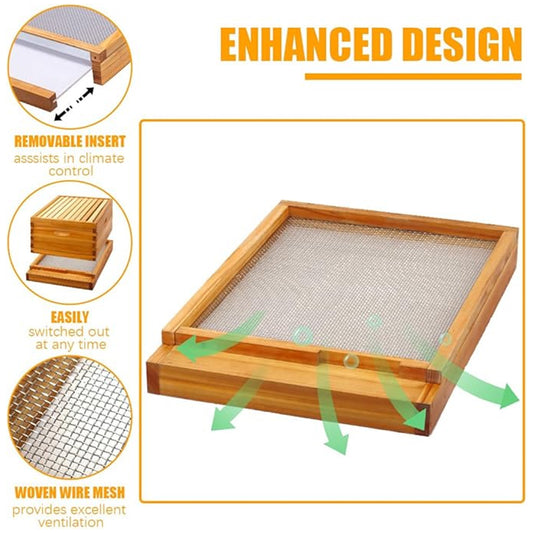
Install a mouse guard (entrance height ≤ 8 mm)
-
Lift hives 12–18 inches above ground
-
Keep grass, debris and clutter away from hives
-
Seal cracks or gaps in the hive body
-
Use traps around the apiary (not near entrances)
Warning Signs: wax debris, gnaw marks, strong odor—act fast!
2️⃣ Woodpecker Defense — Noise That Can Kill
Woodpeckers will peck hive walls to eat bees in winter.
Solutions:
-
Wrap hives with mesh netting
-
Hang reflective tape or bird deterrents nearby
-
Avoid placing hives next to dense tree lines
If you hear consistent pecking sounds, check immediately!
3️⃣ Raccoons & Skunks — Strong, Persistent Predators
They disturb bees nightly and can weaken colonies over time.
Protection Tips:
-
Elevate hive stands higher (≈ 50 cm or 20 in.)
-
Add hive straps to prevent tipping
-
Use scent repellents or electric fencing when necessary
Sign: bees clustered and aggressive at entrance each morning.
4️⃣ Bear Protection (For High-Risk Regions)
Bears are a major threat where they are active.
Best Practice
👉 Install electric fencing — the only reliable deterrent
🧰 Extra Preventive Measures for All Apiaries
| Action | Benefit |
|---|---|
| Regular inspections | Detect pest activity early |
| Reinforce weak hive areas | Prevent chewing or forced entry |
| Keep apiary clean & dry | Less attractive to pests |
| Reduce hive scent exposure | Fewer night-time intruders |
Good hygiene is your strongest defense.
🐝 Conclusion: Prevention Keeps Colonies Safe
By combining structural protection with regular monitoring, you can greatly reduce pest risks and help your bees survive the toughest seasons.
At MayBee Hives, we offer winter-proof products such as mouse guards and hive insulation wraps to help beekeepers keep their colonies healthy and secure.
If you need assistance choosing the right hive protection, we’re always happy to help!