



What Is a Screened Bottom Board in a Beehive? Can You Use It in Winter?

What Is a Screened Bottom Board in a Beehive? Can You Use It in Winter?
If you’re new to beekeeping, you may have come across the term “screened bottom board”. This simple-looking component plays an important role in hive health, ventilation, and pest management. But many beekeepers wonder: Can it be used during winter? In this article, we’ll explain what a screened bottom board is, how it works, and how to use it in the colder months.
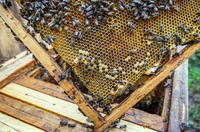
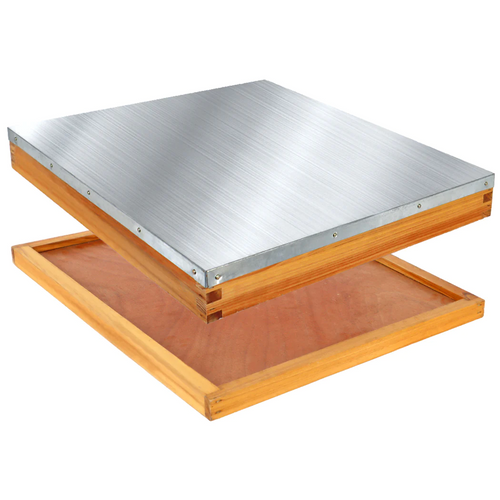
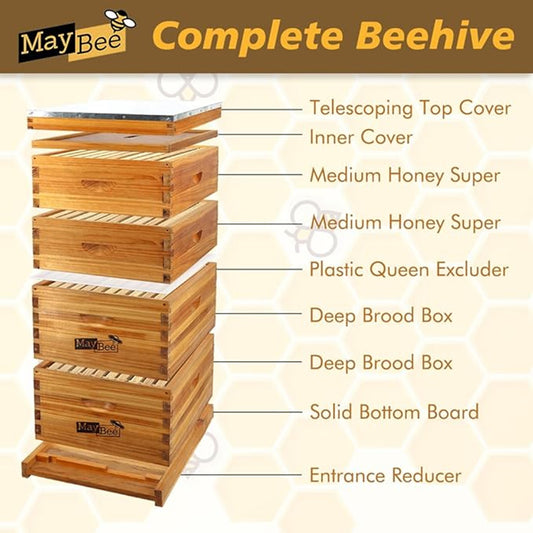
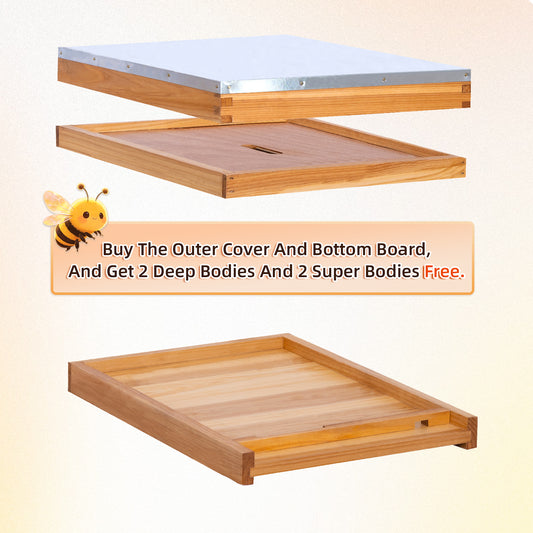
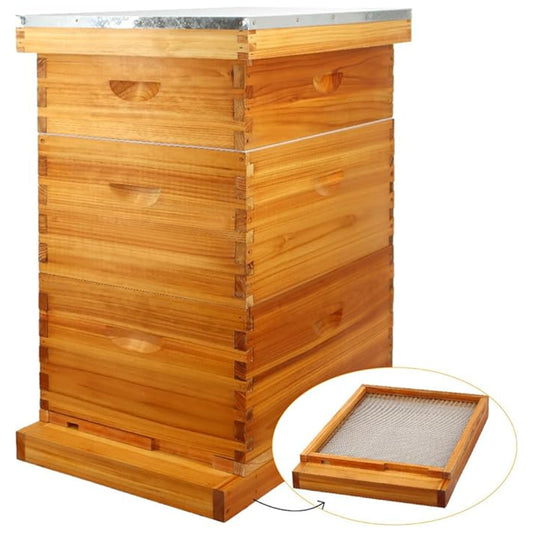
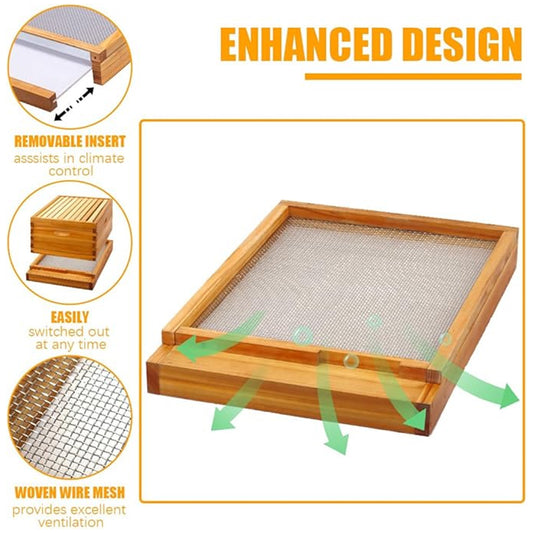
A screened bottom board is the bottom part of a beehive that includes a metal or mesh screen instead of a solid floor. Its main purposes are:
Pest control: The screen allows small pests like Varroa mites to fall out of the hive naturally.
Ventilation: It improves air circulation in the hive, helping to reduce moisture buildup.
Hive hygiene: Debris and dead bees can fall through the screen, keeping the hive cleaner.
Using a screened bottom board in winter is a common question. Here’s what you need to know:
Pros: The screen still helps reduce moisture inside the hive, which is very important in winter because damp conditions can be more dangerous than cold temperatures.
Cons: Too much airflow can make the hive colder, which might stress the bees if not managed properly.
Tips:
Many beekeepers insert a solid board or an insulation flap over the screen during the coldest months.
Ensure the hive has adequate ventilation elsewhere, so moisture can escape without chilling the colony.
A screened bottom board is a valuable tool year-round. In winter, you may need to make small adjustments to protect your bees from excessive cold, but the benefits — especially in controlling pests and reducing moisture — make it worthwhile.