





How to Use a Mite Trap in a Solid Bottom Hive: A Practical Guide for Beekeepers

Keeping your bees healthy is one of the most important responsibilities of a beekeeper. Among all the challenges honeybee colonies face, Varroa mites remain one of the most destructive. For beekeepers using a solid bottom board, a common question is:
“Can I still use a mite trap if my hive doesn’t have a screened bottom?”
The answer is yes, absolutely!
In this post, we’ll explain how mite traps work, where to place them in a solid-bottom hive, and a few helpful tips to get the best results.
Why Use a Mite Trap?
Varroa mites weaken your bees by feeding on their fat bodies and spreading harmful viruses. While chemical treatments and integrated pest management are important, mite traps provide a simple, non-chemical method to help reduce mite levels.
Mite traps:
-
Capture mites that fall off bees naturally
-
Help you monitor mite activity
-
Serve as an additional control tool during high-pressure seasons
Even if your hive has a solid bottom, mite traps can still work effectively.
Can You Add a Mite Trap to a Solid Bottom Hive?
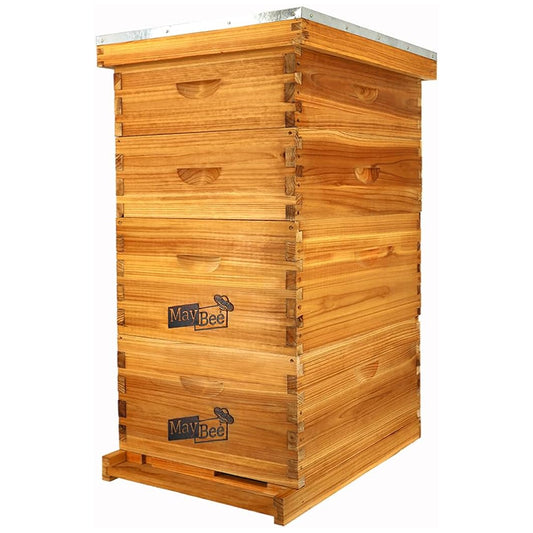
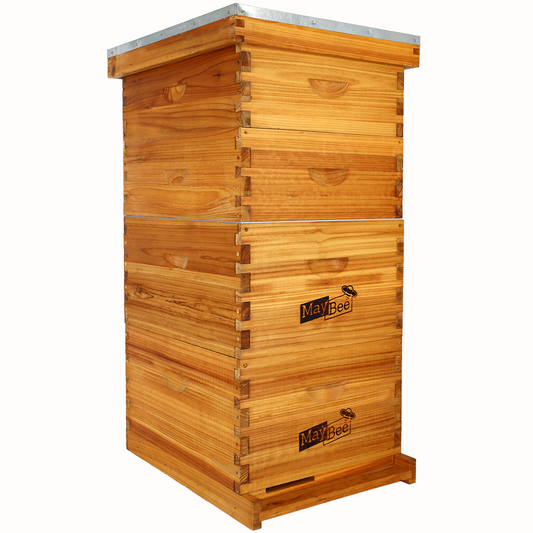
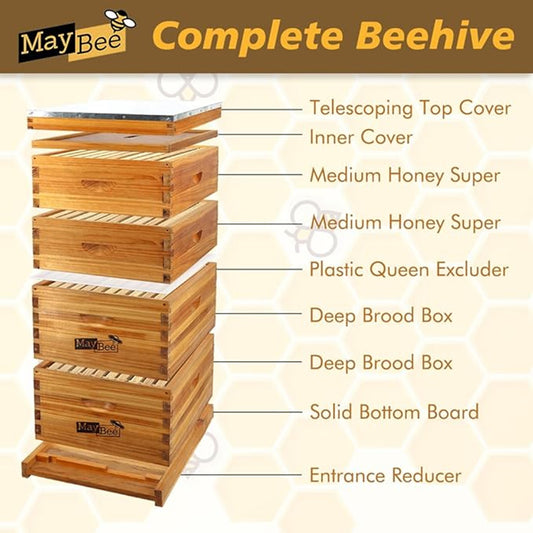
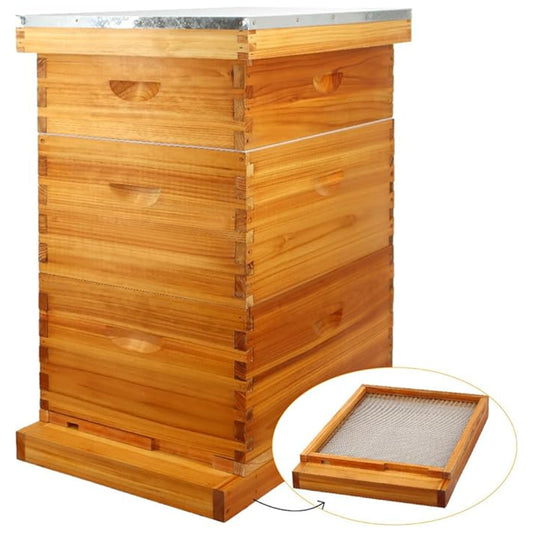
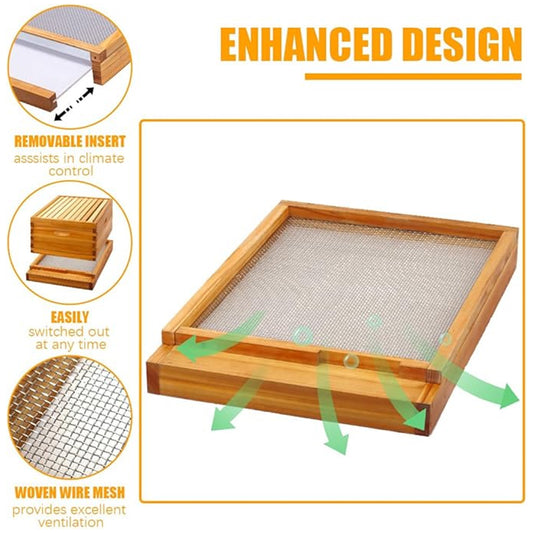
Yes! Even without a screened bottom board, you can place a mite trap directly inside the hive, right at the bottom.
Here’s how:
1. Prepare the bottom of your hive
Open the hive and locate the bottom board. Make sure it’s dry, clean, and free of debris so the trap can sit level.
2. Position the mite trap
Place or slide the trap directly on the bottom board, underneath the frames.
As long as the trap is level and not blocking airflow, it will function properly.
3. Reassemble the hive
Put the brood box and frames back in place. The bees will continue working normally while the trap does its job below them.
4. Check and replace regularly
Depending on the type of trap you use:
-
Replace sticky inserts as needed
-
Clean reusable traps
-
Check mite levels to monitor colony health
For best results, inspect the trap about once every 1–2 weeks during peak mite season.
Tips for Better Mite Trap Performance
-
Use food-grade oil or sticky sheets if your trap requires it
-
Keep the trap level so mites don’t crawl out
-
Combine with other Varroa control methods for a strong integrated approach
-
Monitor mite counts regularly to stay ahead of infestations
Even though a screened bottom board can improve ventilation and mite drop efficiency, using a trap inside a solid-bottom hive is still a valuable, effective practice.
Final Thoughts
Solid bottom hives are perfectly compatible with mite traps—you simply place the trap inside at the bottom of the hive. This easy setup helps you monitor and reduce Varroa mites without major modifications to your equipment.
Healthy bees start with consistent monitoring and good management. Adding a mite trap is a simple step that can make a big difference in your colony’s long-term health.