





🌤️ Seasonal Temperature Changes: Essential Beekeeping Tips for Healthy Hives 🐝

During seasonal transitions, temperatures often fluctuate dramatically between day and night. These rapid changes can stress bee colonies, affect brood development, and impact honey production. For beekeepers, understanding how to manage hives during these periods is essential to maintaining strong and productive colonies.
In this guide, we’ll share practical, easy-to-follow beekeeping tips to help your hive thrive during changing weather conditions.
1️⃣ Balance Hive Insulation and Ventilation 🌬️
One of the biggest challenges during seasonal transitions is maintaining the right balance between warmth and airflow inside the hive.
✅ Tips:
-
Seal large gaps or cracks in the hive to prevent cold drafts.
-
Maintain controlled ventilation to reduce moisture buildup.
-
Avoid opening the hive too frequently, as this can disrupt internal temperature stability.
Modern beehives with built-in ventilation features can make it easier to achieve the ideal balance between insulation and airflow.
2️⃣ Monitor Colony Strength and Behavior 👀
Temperature changes directly affect bee activity and brood development. As weather warms, colonies expand rapidly; when temperatures drop, bee activity slows down.
🔎 What to watch:
-
Overall colony population and stability
-
Queen’s laying pattern and brood health
-
Signs of weak colonies or swarming behavior
If you notice a declining colony, consider timely interventions such as supplemental feeding or combining weak hives.
3️⃣ Adjust Feeding Strategies During Transitional Weather 🍯
Nectar flow can be unpredictable during seasonal changes, making it harder for bees to find consistent food sources.
💡 Recommendations:
-
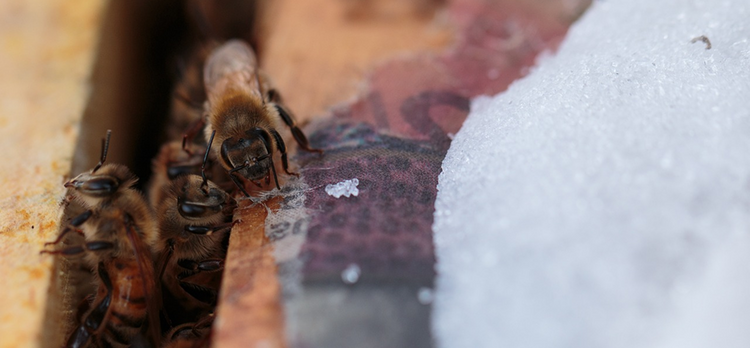
Provide sugar syrup or pollen patties when natural nectar is scarce.
-
Feed during warmer parts of the day to avoid chilling the colony.
-
Avoid overfeeding to prevent dependency on artificial food sources.
A well-planned feeding strategy helps bees maintain energy and supports colony growth during unstable weather.
4️⃣ Optimize Hive Space to Prevent Overcrowding 📦
As temperatures rise, colonies often grow quickly. Insufficient space can lead to overcrowding and increase the risk of swarming.
🛠️ Best practices:
-
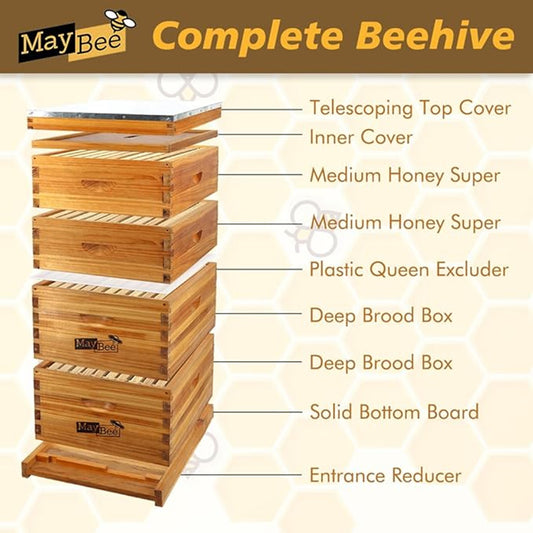
Add additional hive boxes or supers as the colony expands.
-
Inspect frames and foundations regularly for damage or wear.
-
Ensure adequate space for brood and honey storage.
Proper hive space management not only improves colony health but also boosts honey production potential.
5️⃣ Minimize Disturbance During Weather Fluctuations 🤫
Bees are more sensitive to environmental changes during transitional seasons. Excessive hive inspections or structural changes can disrupt colony stability.
🌿 Suggestions:
-
Limit hive inspections to stable weather days.
-
Avoid unnecessary structural modifications.
-
Maintain a calm and consistent apiary environment.
🌟 Build a Strong Hive for the Season Ahead
Seasonal transitions are a critical period for beekeepers. By focusing on ventilation, insulation, feeding, and hive space management, you can help your bees adapt smoothly to changing temperatures and prepare for a productive season.
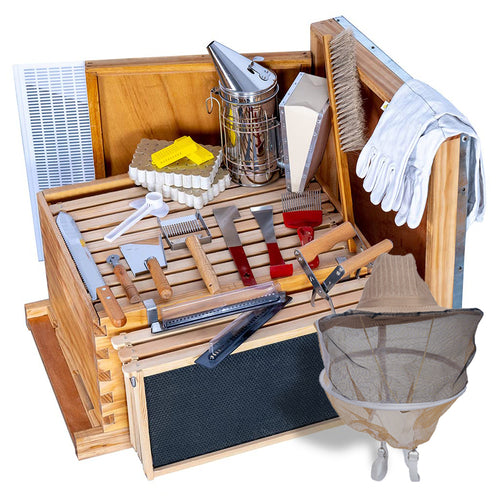
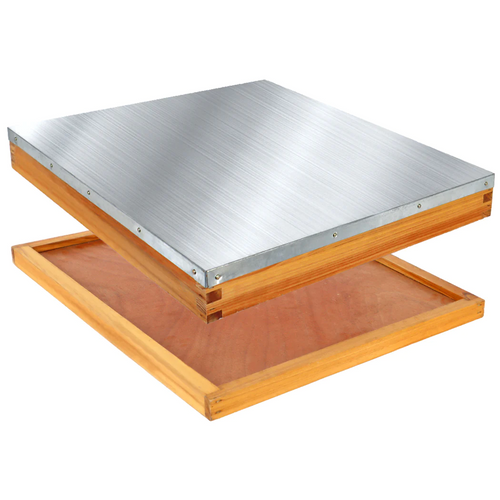
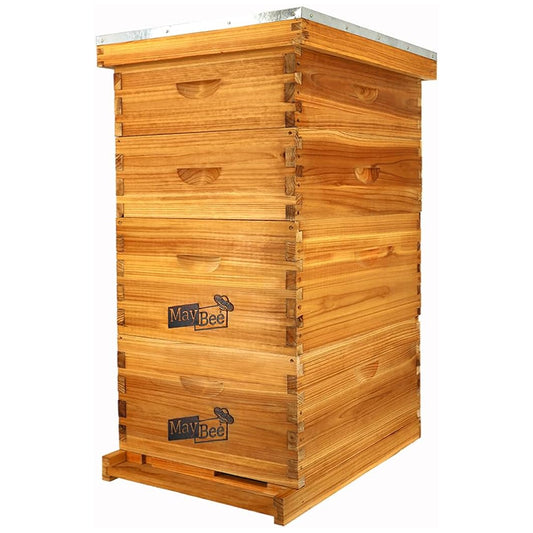
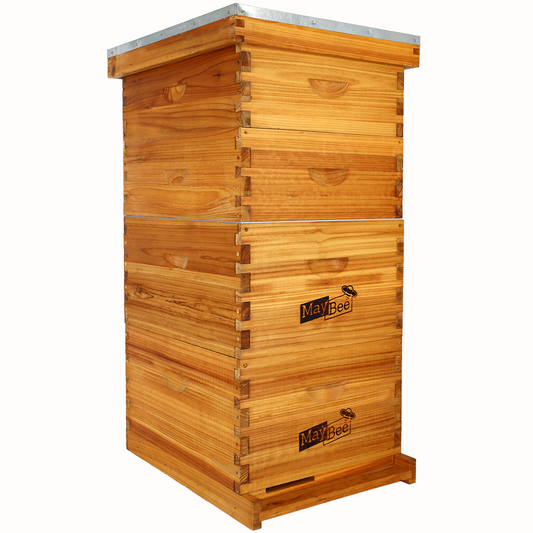
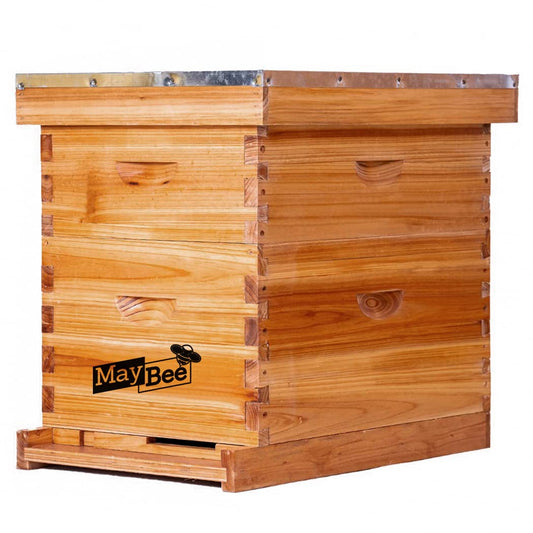
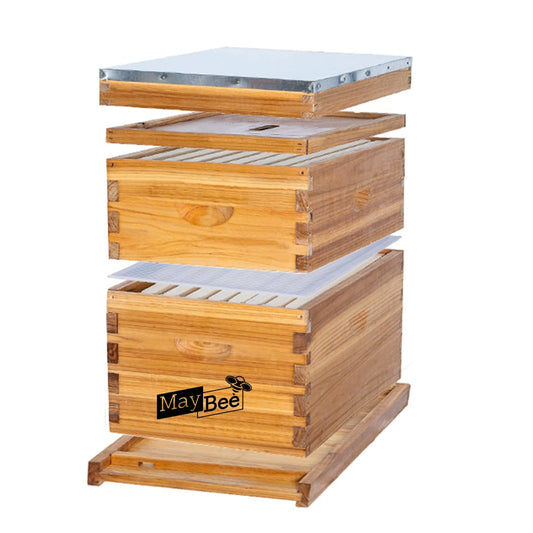
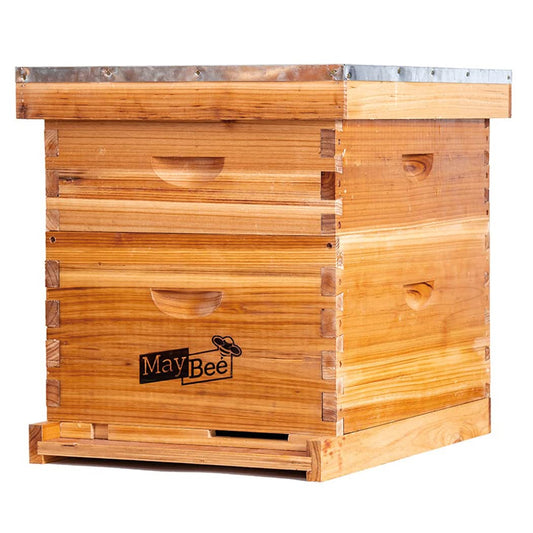
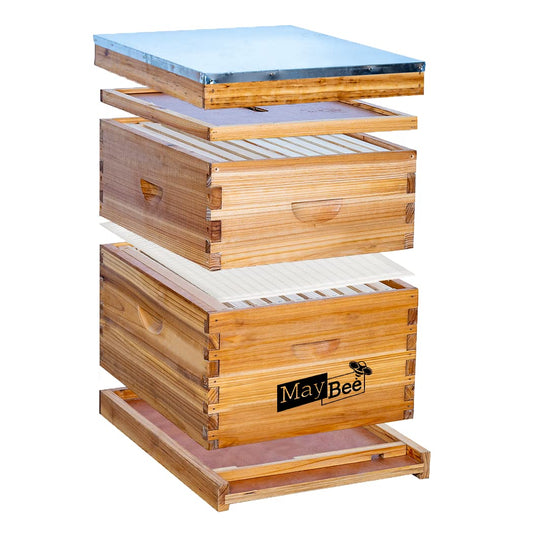
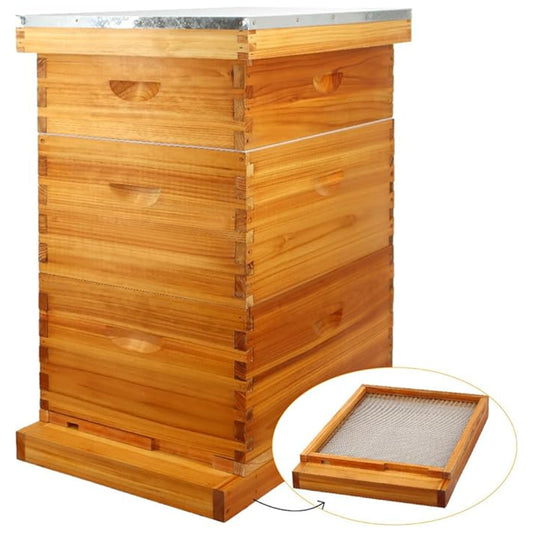
If you’re looking for reliable equipment to support your hive during seasonal changes, our Starter Kit, 8-frame beehives, and 10-frame beehives are designed to provide durability, balanced ventilation, and easy hive management.
🐝 Build a stronger hive, start a better season with MaybeeHives!