


🐝Beehive Wraps Explained: How They Work and Why Materials Matter

Winter can bring cold temperatures, strong winds, and changing weather conditions that make hive management more challenging. Beehive wraps provide an extra layer of protection around the hive, helping reduce heat loss and shield wooden hive boxes from harsh outdoor conditions. Understanding how wraps work and what materials they use can help beekeepers make better choices for winter.
❄️1. How Do Beehive Wraps Work?
Beehive wraps support winter protection in several ways:
● Wind Protection & Insulation: Help reduce the effects of cold winds and slow heat loss through the hive walls.
● Solar Heat Absorption: Dark-colored wraps absorb sunlight on clear winter days, allowing the hive's outer walls to gain some warmth.
● Moisture Management: Help protect wooden hive boxes from wet weather. However, wraps do not replace proper ventilation and moisture management inside the hive.
It is also important to understand how honey bees stay warm. During winter, bees form a cluster and generate heat by vibrating their flight muscles. The cluster helps maintain a suitable temperature for the colony, while a wrap provides additional protection around the hive. It does not directly heat the bees.
🧵2. What Materials Are Used in Beehive Wraps?
Different materials serve different purposes in hive wraps:
● Foam Board / Polystyrene: Rigid insulation materials that provide strong thermal resistance and help slow heat transfer.
● Oxford Fabric: A durable outer layer that offers protection against wind and wet weather.
● Pearl Cotton: A soft insulating material that helps reduce heat loss.
● Aluminum Foil: Reflects radiant heat and provides an additional layer of thermal protection.
●Material Combinations: Some wraps combine an outer fabric with insulating and reflective layers to balance weather protection, insulation, and durability.
The choice of materials and how they are layered both affect a wrap's overall performance.
📋3. How to Choose and Use a Beehive Wrap?
When choosing a beehive wrap, consider a few practical factors:
● Material Quality: Look at the durability of the outer fabric and the quality of the insulating layers.
● Size and Fit: Make sure the wrap matches your hive's frame size and the number of boxes.
● Installation: Choose a design that is easy to put on and remove without blocking hive entrances.
● Ventilation: Maintain appropriate airflow and manage moisture to help prevent condensation from collecting above the winter cluster.
● Climate Considerations: Consider local temperatures, wind, and humidity. More insulation is not always better for every climate.
🐝Conclusion
A well-designed beehive wrap can provide an extra layer of winter protection, but choosing the right materials and using the wrap properly are just as important.
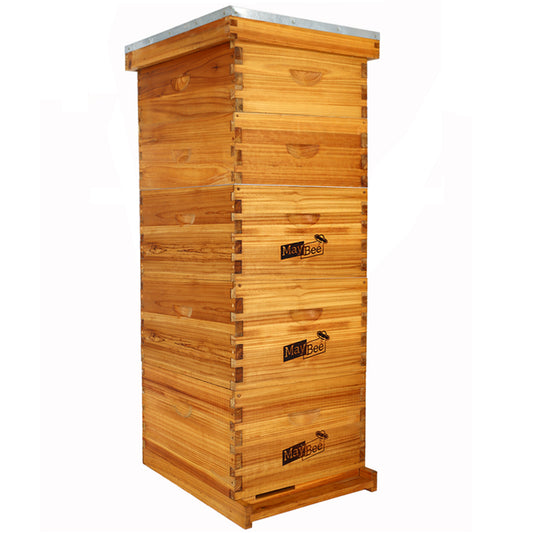
The MayBee Hives Adjustable Winter Beehive Wrap fits both 8-frame and 10-frame beehives. Made with durable 600D Oxford fabric, 3 mm pearl cotton, and two layers of aluminum foil, it provides reliable wind and weather protection with added insulation. The convenient hook-and-loop fasteners make it easy to install and remove, offering a practical way to give your hives extra protection during the colder months.