




How to Inspect a Beehive Without Disturbing the Colony?

Regular hive inspections help beekeepers monitor colony activity, development, and overall health. However, opening the hive too often can disturb the bees. Learning when to observe and when to open the hive can help keep inspections effective while minimizing unnecessary disturbance.
Why Should You Minimize Disturbance to the Colony?
Honey bees need a relatively stable environment inside the hive to carry out their daily activities and raise brood. Opening the hive too often can interfere with this environment in several ways:
- Disrupt Normal Bee Activity: Opening the hive and handling frames can interrupt worker bees as they forage, care for brood, and perform other daily tasks.
- Affect Hive Temperature and Humidity: Opening the hive can cause changes in internal conditions, especially during cold weather or periods of unstable temperatures.
- Disturb Brood and Comb: Frequently moving frames can interfere with normal colony activity and increase the risk of accidentally crushing bees or the queen.
5 Ways to Inspect a Beehive Without Disturbing the Colony
Observe Activity at the Hive Entrance
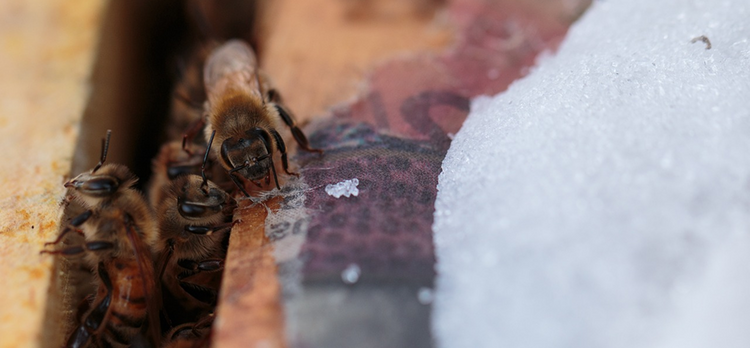
Watch how frequently bees enter and leave the hive and whether they are flying normally. Look for unusual clusters, blocked entrances, or an increase in dead bees around the hive.
Watch for Pollen-Carrying Bees
Look for worker bees returning with pollen on their legs. This provides a simple way to observe foraging activity. Keep in mind that pollen collection varies with the season, weather, and availability of nearby flowers.
Look for Signs of Unusual Bee Behavior
Pay attention to unusual fighting near the entrance, bees crawling on the ground, or a noticeable increase in dead bees. Significant changes in activity or unusual agitation may also deserve closer attention.
Check the Exterior of the Hive
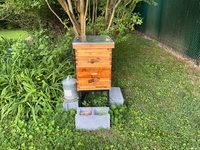
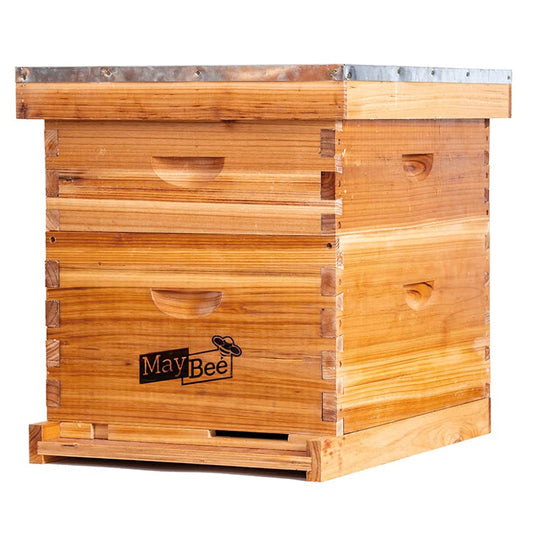
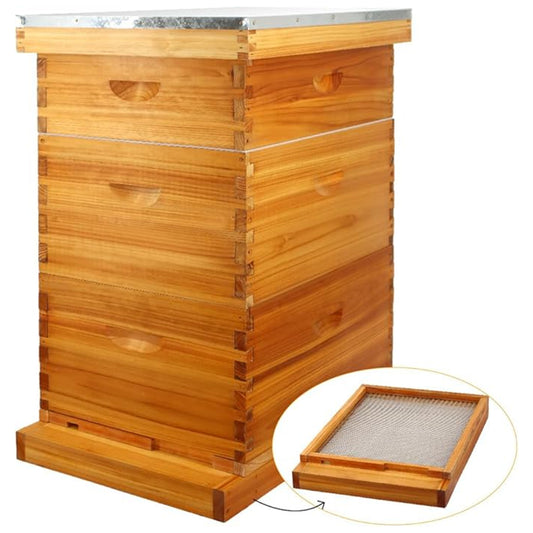
Look for cracks, loose joints, or damage to the hive body. Check that the entrance is clear and watch for signs of mice, woodpeckers, or other pests.
Inspect During Suitable Weather
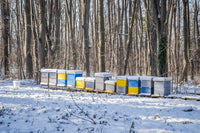
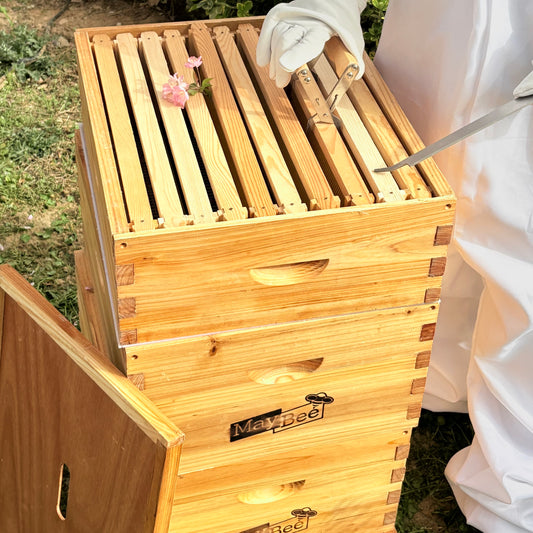
When an internal inspection is necessary, choose a warm, dry day with little wind. Midday is often a good time, when many forager bees are out collecting nectar and pollen. Avoid opening the hive during cold, rainy, or windy conditions whenever possible.
When Should You Open the Beehive?
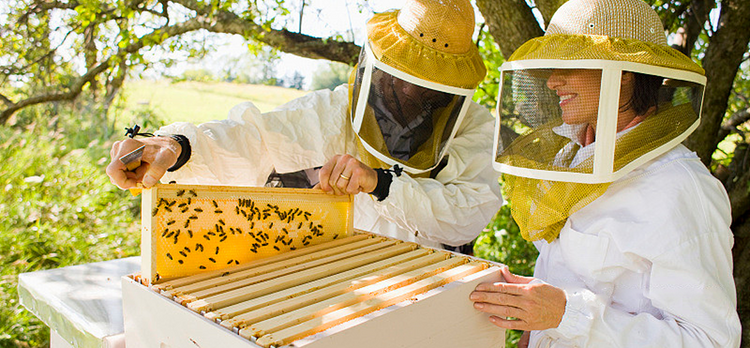
While external observations help monitor colony activity, some important details can only be checked inside the hive. Open the hive when you need to assess:
- Queen and Brood: Look for eggs, larvae, and capped brood to evaluate the queen's laying activity and brood development.
- Food Stores: Check whether the colony has enough honey and pollen reserves.
- Pests and Diseases: Inspect for Varroa mites and other signs of hive health problems.
- Colony Growth: Assess colony strength and whether the bees have enough space to expand.
Conclusion
The key to good hive management is knowing when to observe and when to inspect. Minimize unnecessary hive openings, but don't overlook internal checks and frame maintenance.
If your frames are worn or damaged, consider MayBee Hives Frame and Foundation. They feature sturdy pine frames paired with foundation sheets coated in 100% beeswax, offering a reliable option for your hive.