






How Does a Bee Become a Queen? 🐝

Introduction
A honey bee colony is made up of three types of bees: the queen, worker bees, and drones. 👑🐝
The queen is the main reproductive female and lays eggs for the colony. Worker bees are female bees that care for the brood, build comb, collect nectar and pollen, and protect the hive. Drones are male bees whose primary role is to mate with queens.
Each type has a different role, but have you ever wondered how a worker bee becomes a queen? Let's take a closer look.
一、The Development of a Queen Bee 👑
A future queen begins as a fertilized egg, just like a future worker bee. When a colony needs a new queen, worker bees select very young female larvae and raise them in special structures called queen cells.
The queen cell is larger than an ordinary brood cell and provides extra space for the developing queen. Nutrition is also important. While young larvae are cared for by nurse bees, a queen-destined larva receives abundant royal jelly throughout its development. This special nutrition helps her develop fully functioning reproductive organs.
The queen passes through four basic stages:
🥚 Egg → 🐛 Larva → Pupa → 👑 Adult Queen
After emerging from her queen cell, the young queen matures and takes one or more mating flights ✈️. She mates with drones and stores their sperm. After returning to the hive, she eventually begins laying eggs and becomes the colony's primary reproductive female.
二、The Status and Role of the Queen 🐝
The queen is sometimes called the “leader” of the hive, but she does not actually command the worker bees. Instead, honey bees work together through communication and cooperation.
The queen's most important role is reproduction. During periods of strong colony growth, a healthy queen can lay hundreds of eggs per day. These eggs develop into workers, drones, and future queens, helping the colony maintain its population. 🥚🐝
The queen also produces queen pheromones, chemical signals that communicate her presence and condition to the rest of the colony. These signals influence worker behavior and help maintain the organization and stability of the hive.
So, although the queen does not “rule” the colony, her presence is essential to its continued development.
三、Natural Queen Supersedure 🔄
Sometimes a colony naturally replaces its queen. This process is called queen supersedure.
A colony may replace its queen when she becomes older, injured, or less productive. Worker bees select young female larvae and raise them in queen cells to produce a new queen.
Unlike swarming, supersedure usually does not involve the colony leaving the hive. The colony remains in its existing hive while preparing a replacement queen.
After the new queen emerges, she mates and eventually begins laying eggs. The old queen may then disappear, allowing the new queen to take over reproduction in the colony.
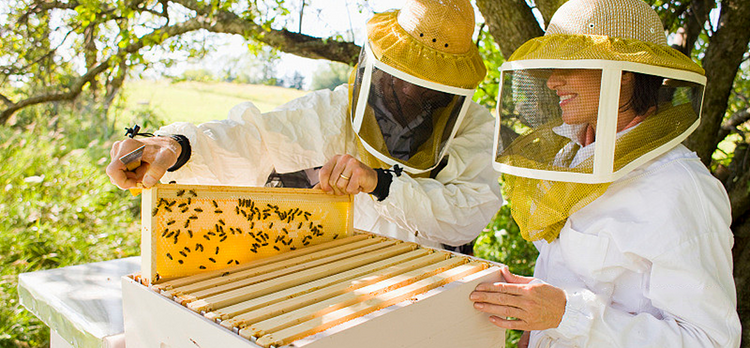
For beekeepers, finding supersedure cells during a hive inspection can be an important clue that the colony is naturally preparing for a change. 🔍
Conclusion 🌼
A queen bee does not start life as a queen. She begins as a fertilized egg, just like a worker bee. Through special nutrition, care from worker bees, and development inside a queen cell, she follows a different path and becomes the reproductive center of the colony.
From queen development to natural supersedure, the life of a queen bee shows just how fascinating and organized a honey bee colony can be. 🐝👑