




When Should You Replace Beehive Frames and Foundation?

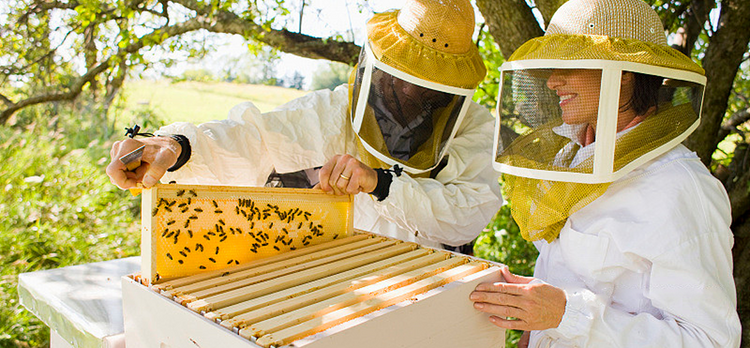
Frames and foundation are essential parts of a beehive, providing support for comb building and helping bees raise brood and store honey. They also make it easier for beekeepers to inspect and manage their hives. However, exposure to the elements, heavy honey loads, and regular hive activity can gradually wear these components down. Knowing when and how to replace aging equipment is key to maintaining a healthy, manageable apiary.
1. Signs It May Be Time to Replace Frames and Foundation
During routine hive inspections, watch for the following signs that your frames or foundation may need replacing.
Wooden Frames
- Cracks or Breaks: Damaged wood can weaken the frame, making it difficult to safely lift heavy frames during inspections or when removing them from the hive.
- Loose Joints: Loose joints can reduce stability, make handling more difficult, and potentially injure bees.
- Warping or Rot: Warped or rotting wood can affect the frame's strength, shape, and usability.
Foundation
- Cracks or Damage: Wax foundation may tear or break, while plastic foundation may develop cracks.
- Warping or Sagging: Severely warped foundation that no longer fits securely in the frame may interfere with normal comb building.
- Old Brood Comb: Cocoons and other residues gradually accumulate as brood comb is reused. Dark color alone does not mean comb needs replacing, but older brood comb with significant buildup that is difficult to clean may benefit from gradual replacement.
2. How to Replace Beehive Frames and Foundation
Replacing hive components requires a strategic approach to minimize disruption to the colony:
- Choose the Right Time: Late spring or early summer during the main nectar flow may be a suitable time for replacement, as bees are often actively building comb. Avoid keeping the hive open for extended periods in cold or unfavorable weather.
- Check Size Compatibility: Make sure replacement frames match your hive box depth, whether deep, medium, or shallow, to maintain proper bee space.
- Replace Components Gradually: Avoid replacing all the foundation at once. Assess each component and replace only what is necessary. If the wooden frame is still sturdy but the foundation is damaged, you can replace the foundation alone. If the frame is cracked, rotting, or unstable, replacing the entire frame is a better option.
3. Choosing Durable Frames and Foundation for Your Hive
When choosing replacement components, consider material quality, structural strength, size compatibility, and maintenance needs. Wooden frames should be sturdy, with secure joints to support comb during inspections and handling. Foundation should fit the frames properly, be durable, help bees readily accept it, and match your existing hive setup.
MayBee Hives offers pine wood frames and plastic foundation coated with 100% pure beeswax. The sturdy pine frames provide reliable support for comb, while the plastic foundation offers lasting durability. The 100% pure beeswax coating provides a familiar surface that can help bees accept the foundation and begin building comb. These products are a practical choice for beekeepers looking for reliable replacement components.
Conclusion
Beekeepers can identify damage and wear before they affect hive management by regularly inspecting frames and foundation. Whether a component needs replacing depends on its actual condition, not just its appearance or age. Choosing suitable, durable replacements helps beekeepers keep their hives in good working order and makes routine inspections easier.